

September 15, 2026

Procrastination Is Often About Emotion, Not Laziness: A Better Way to Get Unstuck

Atlanta Holistic Mental Health & Wellness (AHMHW) - Dr. David
C
Notebook and desk workspace representing planning, focus, and overcoming procrastination
Making the first step concrete and manageable can reduce the friction of beginning. Photo: Thought Catalog / Unsplash.

When avoidance regulates discomfort in the short term, the solution is often to redesign the first step.

By David A. Wright, MM, MBA, MHSA | Atlanta Holistic Mental Health & Wellness

Why delay can feel relieving

Procrastination is often described as a time-management failure, but that explanation can miss the emotional function of avoidance. Research-based work summarized by the American Psychological Association emphasizes the role of emotions and mood regulation.
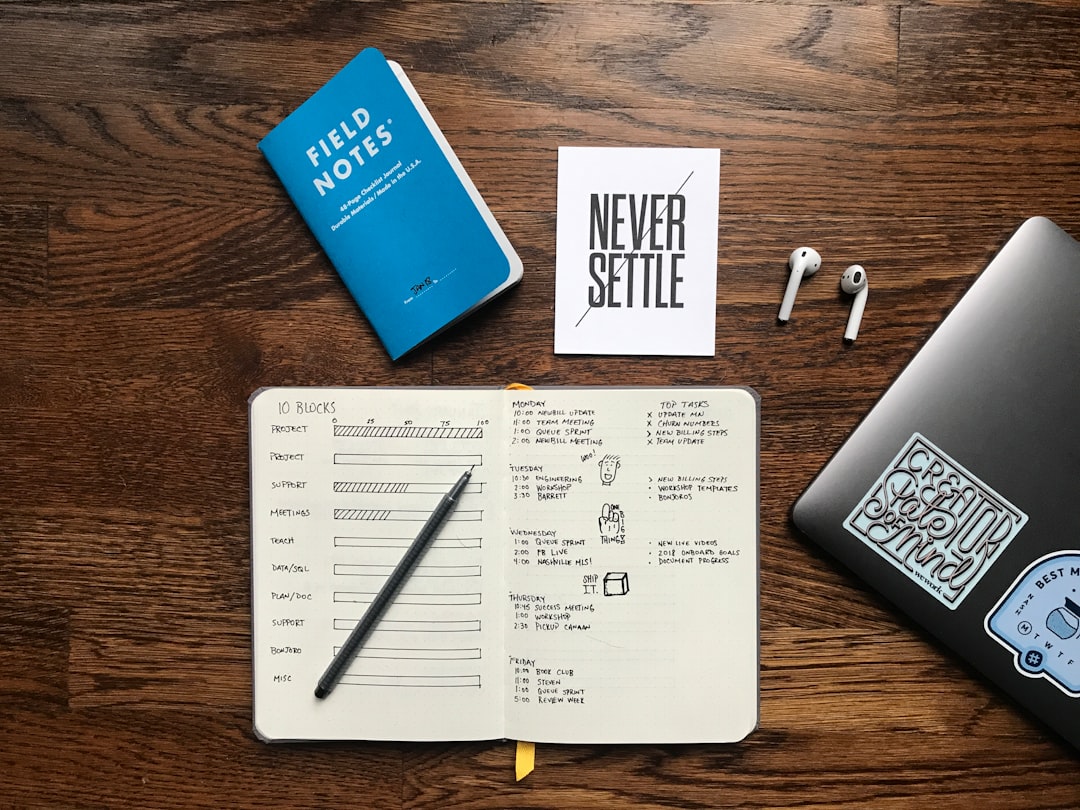
Work planning scene representing clarifying a task before beginning
Clarifying what feels difficult about a task can make the source of resistance easier to address. Photo: Matt Ragland / Unsplash.

Name the discomfort

Before trying to force productivity, identify what the task represents: boredom, fear of making a mistake, uncertainty, concern about evaluation, resentment, or fatigue.
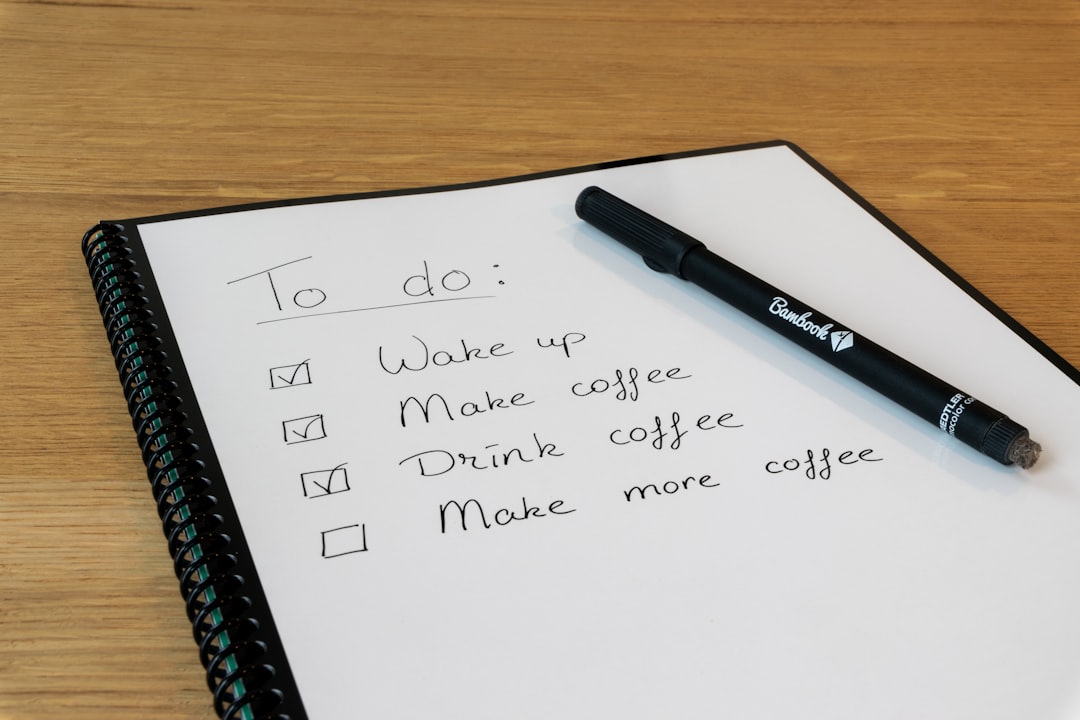
Notepad and pen representing defining the first concrete action on a delayed task
A smaller first action can serve as a bridge into motion without pretending it is the entire project. Photo: Thomas Bormans / Unsplash.

Shrink the starting line

Make the first action smaller than the entire project. Finish the report can become open the file and write the first three headings. The smaller action is the bridge into motion.

Checklist and planning tools representing breaking a task into manageable next steps
Breaking work into visible steps can separate the act of beginning from the pressure to finish perfectly. Photo: Glenn Carstens-Peters / Unsplash.

Separate standards from starting

High standards can become counterproductive when the first attempt is expected to meet the final standard. Drafting and evaluating are different cognitive jobs.

Hand marking completed tasks in a notebook representing repeatable action and progress
A repeatable reset turns getting unstuck into a process that can be practiced rather than a test of motivation. Photo: Jakub Żerdzicki / Unsplash.

Create a repeatable reset

Identify the avoided task, name the emotion, define the smallest physical next action, set a brief work interval, and begin.

Continue the Conversation

Explore Fresh Start with Dr. David and the episode directory.

Source

American Psychological Association: Procrastination

Recent Posts

Atlanta Holistic Mental Health & Wellness (AHMHW) - Dr. David

September 15, 2026

0 Comments

Submit a Comment

Your email address will not be published. Required fields are marked *