
Support Mental Resilience During Uncertainty
A whole-person approach to stress awareness and recovery
By Dorothy Watson | Editorial adaptation for AHMHW | 17 October 2026

Resilience is not constant calm or immunity to distress. This adaptation of Dorothy Watson’s article focuses on noticing strain, making room for recovery, and reaching for appropriate support while life remains uncertain. Small habits can be useful without becoming another demand to perform.
Notice the pattern of strain

A parent balancing caregiving and work may notice irritability, a racing mind, or difficulty settling at night when plans change. These experiences deserve attention rather than a judgment about willpower. Begin with Dorothy’s brief check-in: what is happening in the body, what feeling is present, and what thought keeps returning?
Use the answers to identify a need, not to diagnose yourself. A missed meal, a demanding day, and an unresolved concern may require different responses. The whole-person framing here is an editorial extension of the source: consider routines, demands, relationships, and access to care together. It does not mean that all symptoms have a lifestyle cause.
Original contributor resources: Original stress-statistic link
Make recovery possible in the day you have
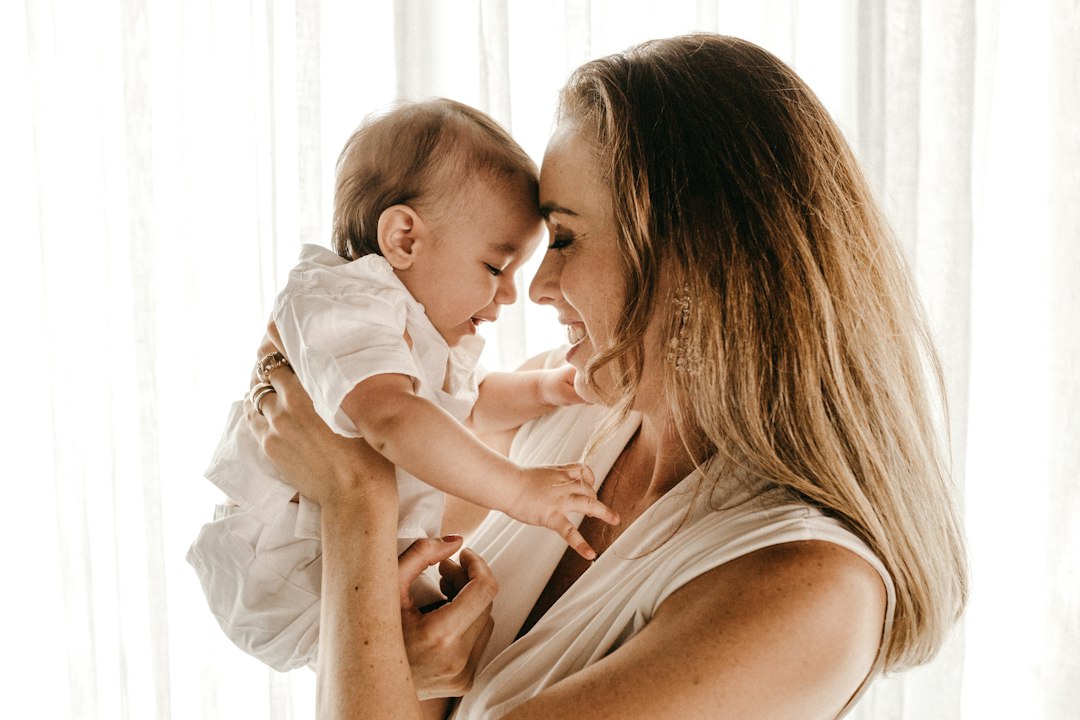
Try a small stabilizing routine that fits your circumstances. That could mean protecting a regular pause, preparing for sleep, eating at a workable time, or asking someone to share a task. These are options to consider, not a prescription or a substitute for treatment.
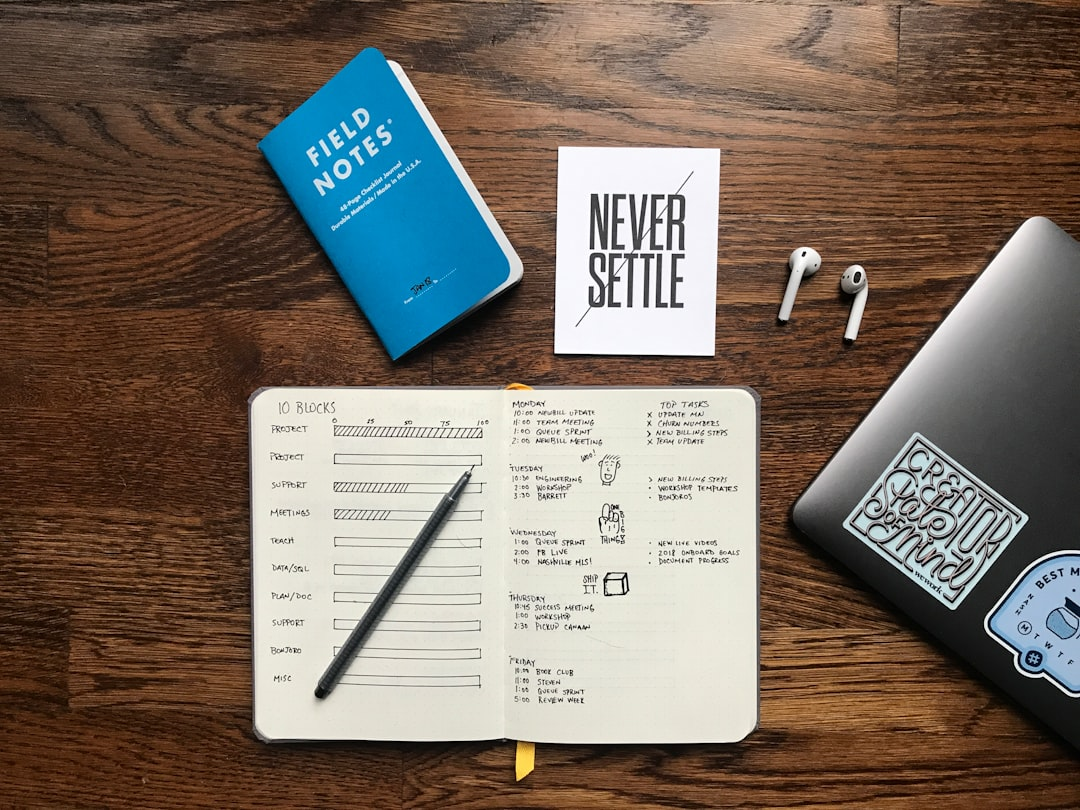
For a caregiver whose schedule changes unexpectedly, the useful goal may be one quiet moment rather than a fully restored day. Dorothy’s learning blocks can be adapted to available energy: a short reflection or a conversation may be more suitable than an hour of productivity. Persistent changes in sleep, mood, concentration, or daily functioning warrant discussion with a qualified professional.
Original contributor resources: Career resource
Support Mental Resilience During Uncertainty | WELLNESS / GROWTH JOURNAL
Use a gentle grounding practice

Notice your surroundings and the support beneath your feet or chair. If it feels comfortable, allow breathing to slow without straining or holding it. Stop if it makes you dizzy, short of breath, or more distressed. Some people prefer looking around the room or speaking to someone they trust instead of focusing inward.
The original suggests 4-4-8 breathing with a precise physiological response time. That timing is not established by the evidence reviewed. A trial of five-minute daily breathing practices over a month studied different methods; its findings cannot be turned into a guarantee for one breath cycle. This review edition therefore offers a gentler option and retains the original linked resource with an evidence note.
Original contributor resources: Breathing resource — timing unverified
Let support share the load

Resilience does not require handling everything alone. Ask for a concrete form of support: help with an errand, a listening conversation, or assistance organizing a question for a clinician. A specific request makes it easier for another person to understand what would help.
Dorothy’s realistic optimism exercise can also make space for difficult feelings. Write what is hard alongside what is within reach. Neither column cancels the other. If a work transition is part of the strain, a career resource may help with practical questions, while health concerns deserve appropriate care. The source’s school-program example supports discussion of learnable skills, not a promise that any particular self-help routine treats a disorder.
Original contributor resources: SEL discussion | Realistic optimism
Support Mental Resilience During Uncertainty | WELLNESS / GROWTH JOURNAL
Know what resilience research can tell you

Does resilience mean I should recover quickly? No. People face different circumstances and resources. A setback does not prove failure, and there is no universal recovery timetable. What if a habit falls away? Restart gently, review what got in the way, and make the next attempt more realistic.
Does resilience make people live longer? Observational studies in older adults have found associations between higher measured resilience and lower mortality. They cannot prove that resilience exercises cause a longer life. The source’s 81% figure also needs context: APA reported global uncertainty as a stressor in a March 2022 poll, not a current estimate of chronic stress. These distinctions keep useful ideas from becoming medical promises.
Original contributor resources: Resilience and longevity discussion
Choose support that matches the need

For the coming week, choose one manageable stabilizer and one connection. You might protect a brief recovery period and ask a trusted person for a check-in. Notice whether the plan helps and revise it when circumstances change. This is an invitation to observe and adjust, not a test of resilience.
If distress persists, worsens, or interferes with everyday life, seek assessment from a qualified health or mental-health professional. Holistic wellness and coaching approaches may support goals and habits within their scope; they do not replace diagnosis, treatment, or urgent care. Dorothy’s central invitation remains intact: practice adaptable skills while recognizing that meaningful support may be part of the next step.

Evidence and practice information
Adapted from Dorothy Watson’s “A Guide to Building Mental Resilience for an Ever-Changing World.” Substantive restructuring, examples, evidence qualifications, and scope language are editorial proposals for review, not author-approved revisions. The unchanged source and a detailed edit map accompany this package.
Evidence notes

Resilience and mortality cohort
School-program findings concern those settings. Breathing studies do not validate the source’s exact timing claim. Longevity results are observational. The 81% poll figure is historical. Some original links are commentary or commercial resources, not primary research.
Original source link record
- SEL programs
- the essentials explained
- 4-4-8 breathing method activates the parasympathetic nervous system within 60 to 90 seconds
- realistic optimism
- 81% of US adults
- higher resilience is associated with increased longevity and a positive outlook on life
Atlanta Holistic Mental Health & Wellness

Holistic wellness and coaching information for everyday habits and resilience. Educational information; not medical advice or a substitute for diagnosis or treatment. Dr. David is not engaged in the practice of medicine or psychiatry.
404-341-6360 | drdavid@ahmhw.com
Practice information and appointment inquiry

REVIEW GATE: Verify final service/appointment deep links and the supported subscription route before release. No subscription route was found on the checked homepage; no invented signup destination has been inserted.


0 Comments