

Imposter Syndrome: Recognizing the Signs and Reclaiming Your Confidence
Imposter Syndrome: Recognizing the Signs and Reclaiming Your Confidence
Written by Grant Winrich, Financial Literacy
<grant@financial-literacy.info>
Imposter Syndrome: Recognizing the Signs and Reclaiming Your Confidence

Imposter syndrome is a common psychological pattern where capable people doubt their abilities and fear being exposed as frauds, even when evidence shows they’re competent. It shows up in offices, classrooms, and kitchens alike, quietly shaping decisions and shrinking ambition. The upside is that these patterns are easy to recognize and possible to change.
Key Takeaways at a Glance
-
Self-doubt often masks real skill and experience.
-
Imposter feelings tend to follow growth, not failure.
-
Practical habits can reduce their grip over time.
-
Building skills and credentials can reinforce confidence.
-
You don’t have to “feel ready” to be capable.
What Imposter Syndrome Looks Like in Daily Life
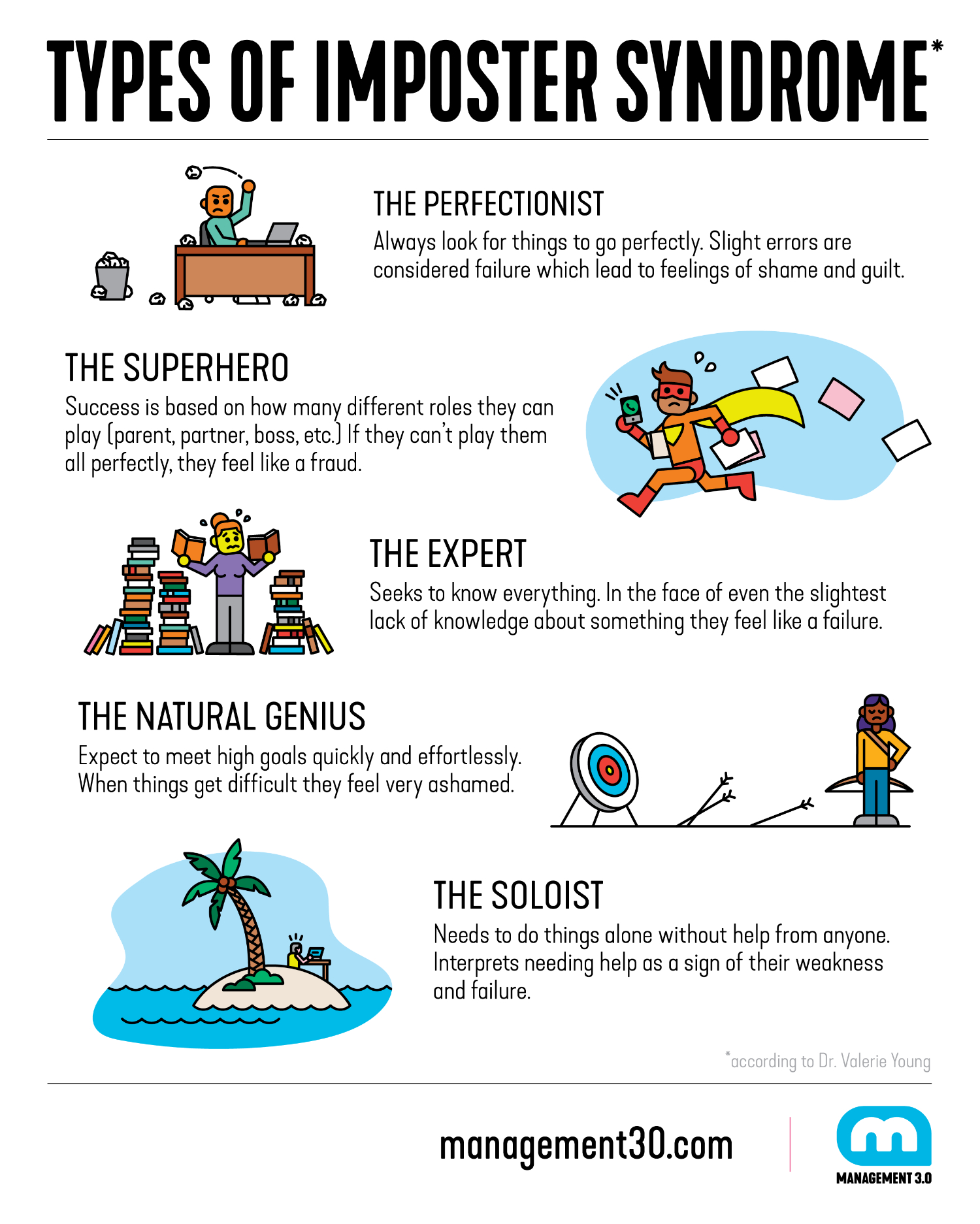
Imposter syndrome rarely announces itself loudly. Instead, it sneaks in through patterns of thought and behavior that feel reasonable in the moment.
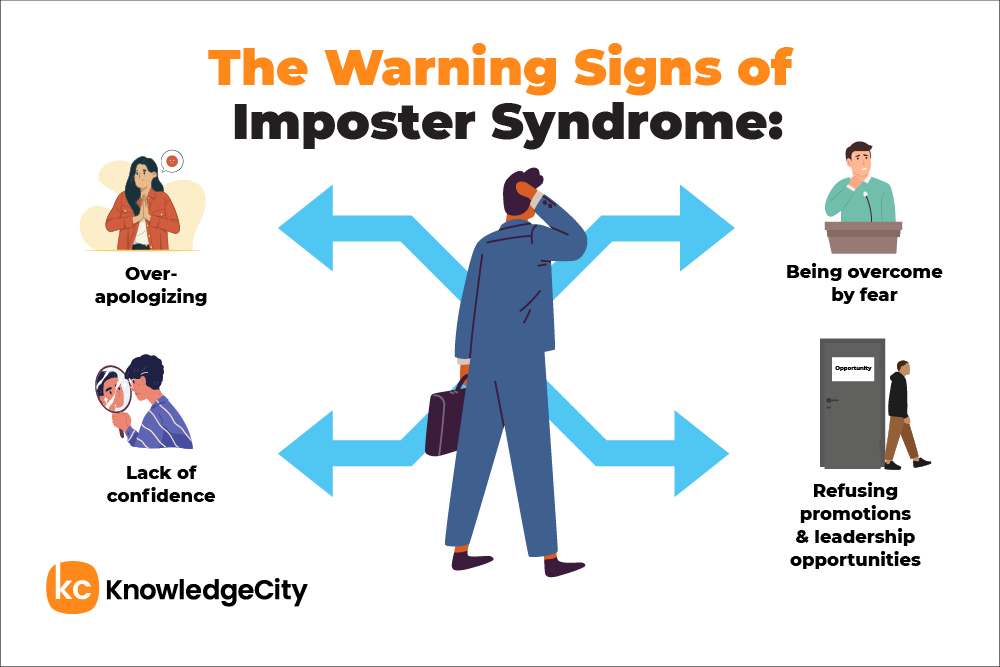
Here are some of the most common signs people notice over time:
-
Attributing success to luck, timing, or other people
-
Downplaying achievements or brushing off praise
-
Setting unrealistically high standards and feeling crushed when they’re not met
-
Avoiding new opportunities for fear of being “found out”
-
Overworking to compensate for perceived inadequacy
These reactions often intensify during transitions—new jobs, promotions, or learning curves—precisely when growth is happening.
Why It Persists (Even When You’re Doing Well)
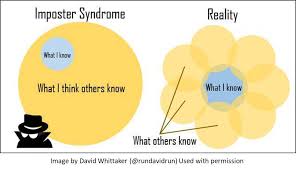
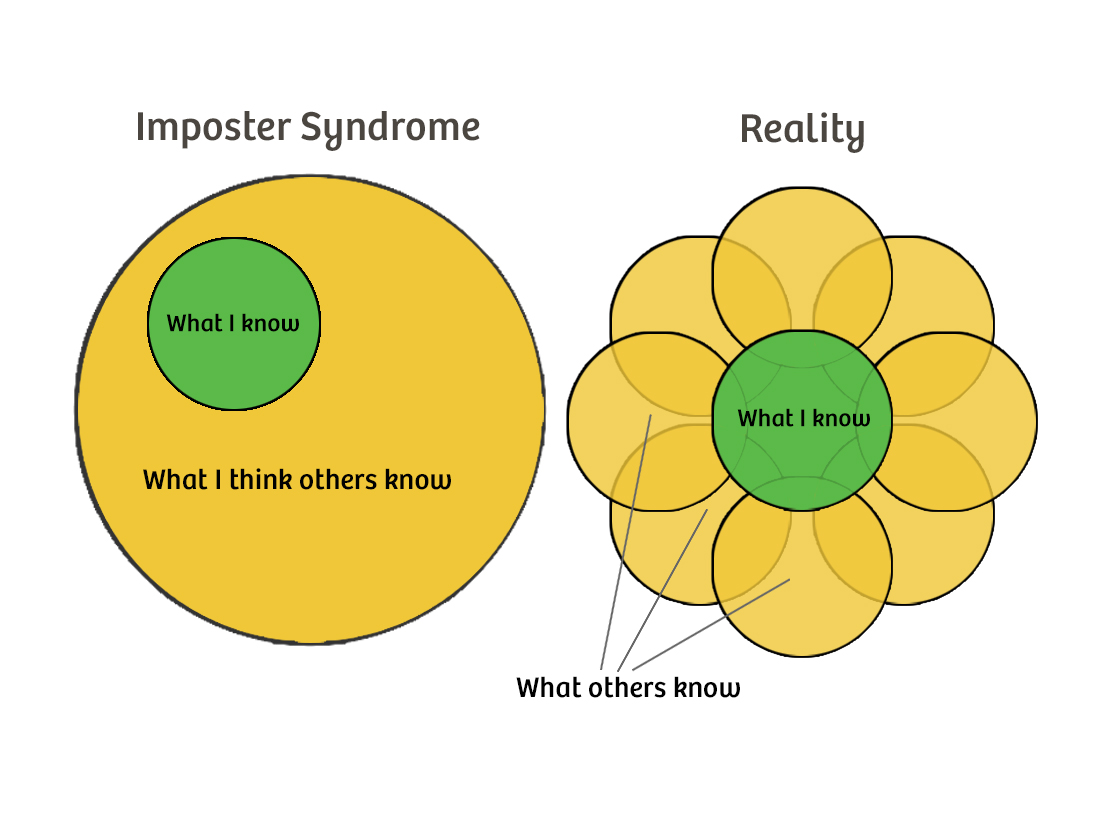
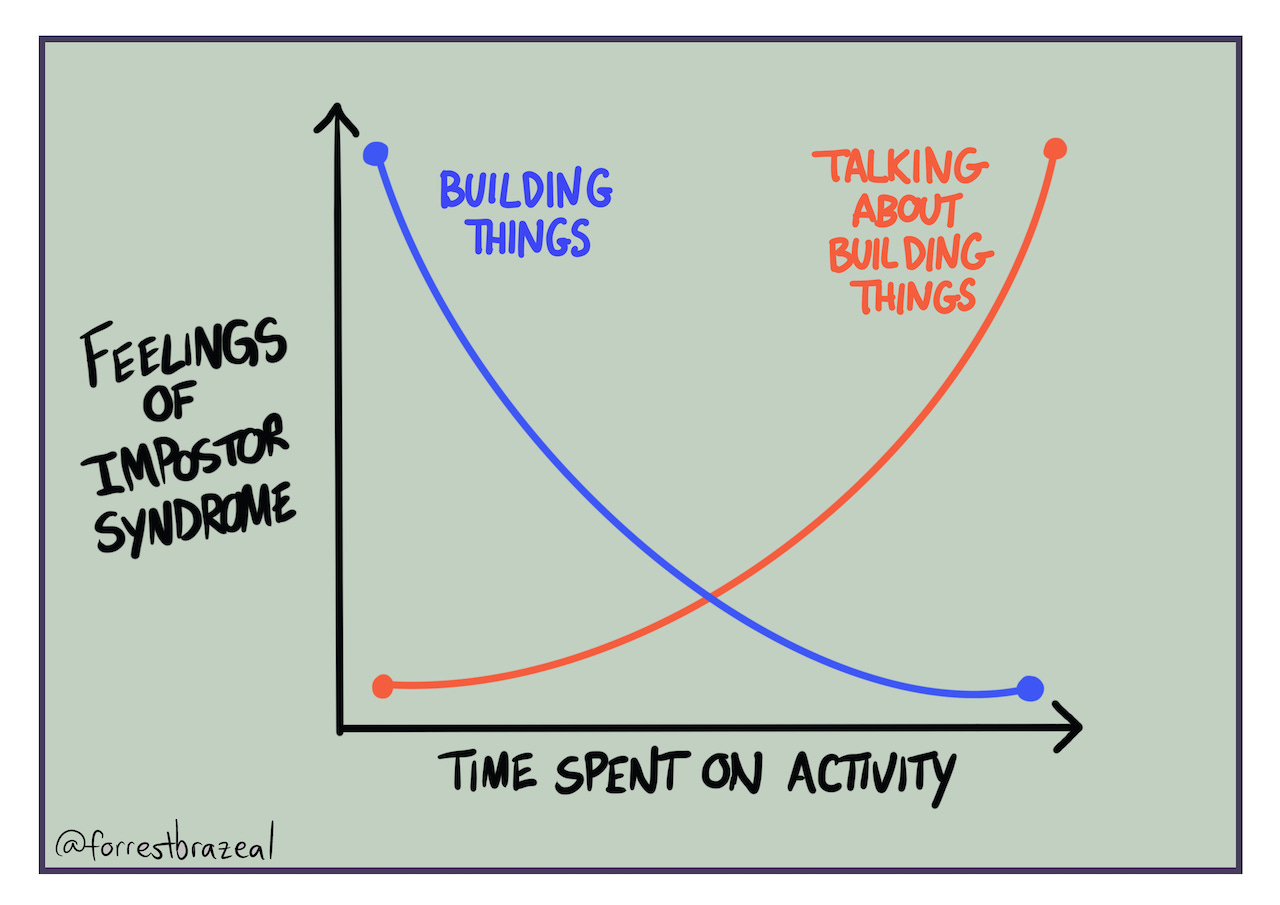
There’s a paradox at the heart of imposter syndrome: the more you learn, the more you realize how much there is to know. Awareness expands faster than confidence. Add cultural pressure, comparison, and perfectionism, and doubt finds fertile ground.
Understanding this doesn’t erase the feeling, but it reframes it. The presence of doubt doesn’t mean you’re unqualified; it often means you’re stretching.
A Simple Comparison That Helps Put Things in Perspective
The following overview contrasts internal perceptions with external realities many people experience:
Internal Thought |
External Reality |
“I just got lucky.” |
Skills and effort led to the outcome. |
“Others know more than me.” |
Everyone has uneven knowledge. |
“I don’t belong here.” |
You met the same criteria as others. |
“If I ask questions, I’ll look foolish.” |
Questions signal engagement and growth. |
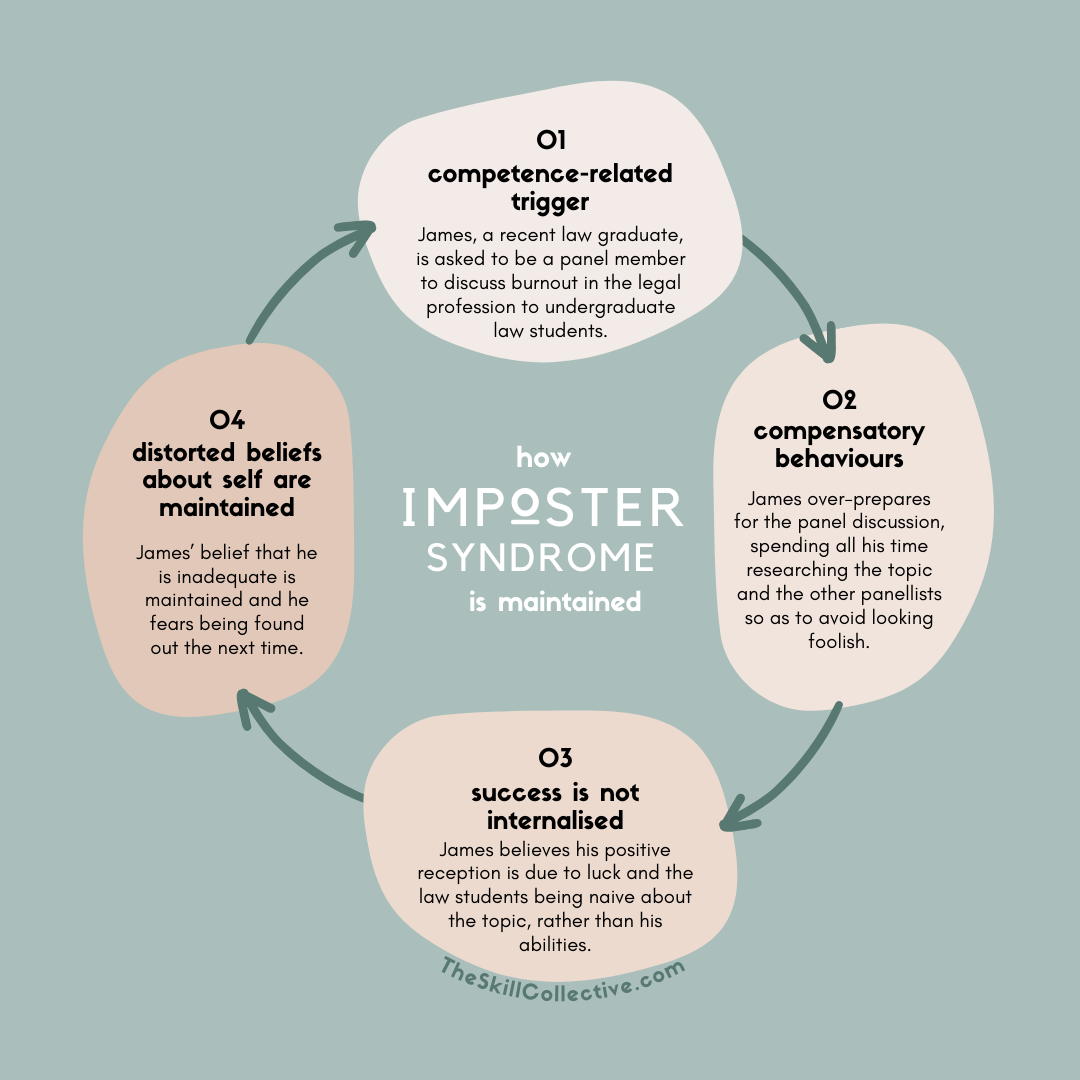
How to Interrupt the Cycle, Step by Step
Here’s how to respond when imposter thoughts surface:
-
Name the feeling without judging it.
-
Write down objective evidence of your competence.
-
Separate facts from interpretations.
-
Take one small action despite discomfort.
-
Reflect afterward on what actually happened.
Progress here is incremental, not dramatic. Consistency matters more than intensity.
Building Confidence Through Learning and Credentials
For some people, confidence grows through experience alone. For others, structured education provides a powerful anchor. Returning to school can sharpen skills, validate expertise, and open doors that once felt out of reach.
Advanced education is especially impactful when it aligns with real-world goals. In healthcare, for example, graduate-level study can lead to leadership, education, informatics, or advanced clinical roles. Flexible programs allow professionals to keep working while expanding their qualifications, making growth feel both practical and achievable. Explore the benefits of a master’s in nursing to learn more.
Frequently Asked Questions (FAQs)
Before diving in, it helps to address a few common concerns people raise about this experience.
Is imposter syndrome a mental illness?
No. It’s a widely recognized pattern of thought, not a diagnosable disorder.
Can confident people still experience it?
Yes. Many high achievers report feeling this way, especially in new environments.
Does it ever go away completely?
For some, it fades; for others, it becomes easier to manage rather than disappearing.
Should I talk about it at work?
That depends on context, but trusted conversations often reduce its power.


0 Comments